Newer
Vague Expressions ③: How to Use 「〜ではないでしょうか」
10/02/2026

「〜と思われます」 is a way to state an opinion without sounding too strong, keeping a little distance.
Because you keep your own view in the background, it sounds calm.
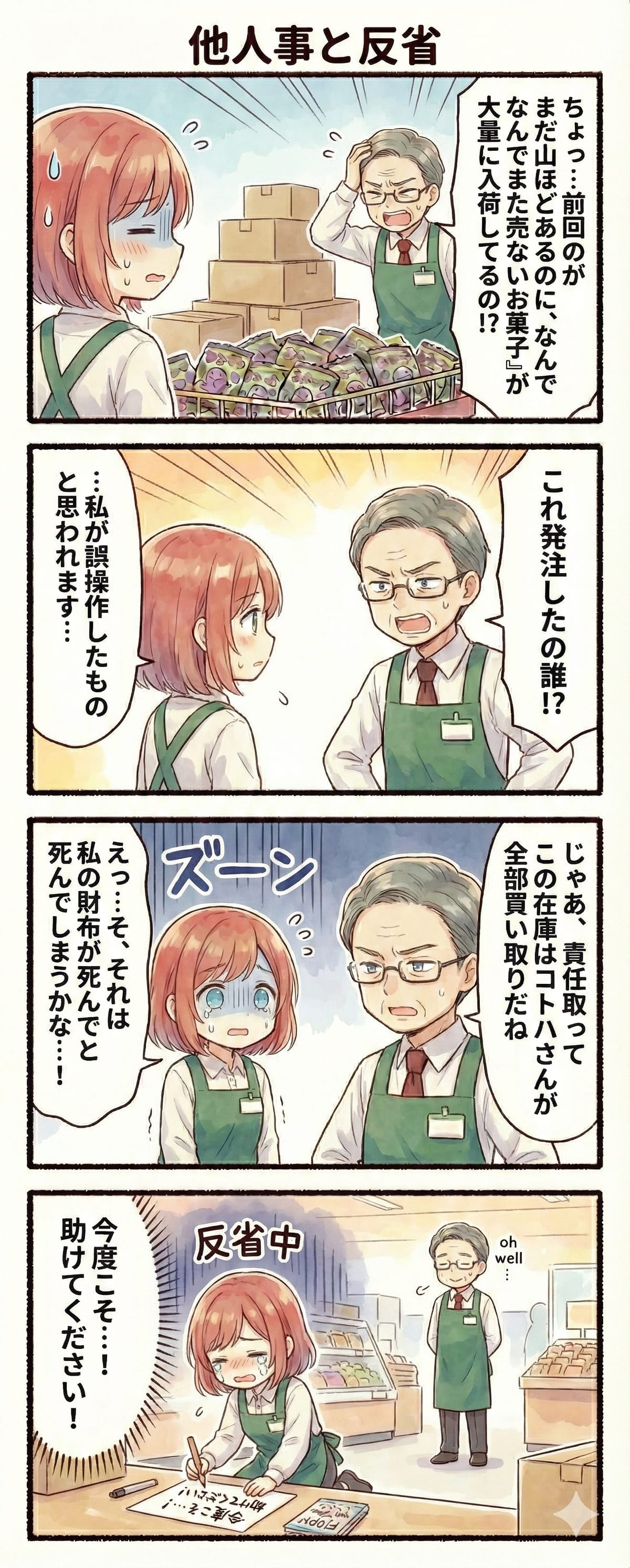
However, if you use it too much, it becomes hard to know who thinks that.
Today we learn when to use it and how to rephrase it together.
「〜と思われます」 is a phrase that keeps the speaker in the background.
It sounds like a view based on the situation or shared by many people, not just your own.
| Wording | How it sounds |
|---|---|
| 「〜と思います」 (I think ...) | Sounds clearly like "this is my opinion." |
| 「〜と思われます」 (It is thought that ...) | Sounds like "a general view" or "what the situation suggests." |
This expression is seen more in reports, explanations, and documents than in casual conversation.
These two look similar, but the main meaning is a little different.
「これは問題だと思います。」 (I think this is a problem.)
「これは問題だと思われます。」 (It is thought to be a problem.)
By not saying clearly whose opinion it is, it sounds softer.
「思われます」 is 「思う」 with 「れます」 added.
Attach it after the plain form.
| Part of speech | Form | Example |
|---|---|---|
| Verb | Plain form + 「と思われます」 | 「雨が降ると思われます。」 (It seems it will rain.) |
| i-adjective | い-form + 「と思われます」 | 「この道は危ないと思われます。」 (This road seems dangerous.) |
| na-adjective | な-form + 「だと思われます」 | 「ここは静かだと思われます。」 (This place seems quiet.) |
| Noun | Noun + 「だと思われます」 | 「これは問題だと思われます。」 (This is thought to be a problem.) |
It is similar to 「思います」, but it feels less centered on the speaker.
In reports and explanations, use it when you do not want it to sound like only your opinion.
This means "the situation suggests it."
It sounds calmer than saying "I said it" directly.
In work documents or meetings, a wording that avoids a strong claim is useful.
Example:
Because you do not add a subject, it sounds calm.
But be careful not to overuse it when responsibility is needed.
If you use 「〜と思われます」 many times, people may feel:
When you are asked for your opinion, it is safer to say 「私は〜と思います」 (I think ...).
| Fits | Does not fit |
|---|---|
| Reports and explanations | When you are asked for your opinion |
| Summaries of results | When you need to make the final decision |
| Topics not decided yet | When you want to decide quickly |
Choose the wording based on whether you clearly say whose opinion it is.
Choose a clear wording for each goal.
| Rephrase type | Goal | Japanese example | Reading (kana(かな(ひらがなよみ))) | Pronunciation (IPA) | What it does |
|---|---|---|---|---|---|
| Say your opinion clearly | Show your own idea | 「私は、この案がよいと思います。」 (I think this plan is good.) | (わたし は、この あん が よい と おもいます) | [wataɕi wa ko̞no̞ aɴ ɡa̠ jo̞i to̞ o̞mo̞imasɯ] | It is clearly "my opinion" |
| Add a reason | Show a reason | 「時間が足りないので、難しいと思います。」 (There is not enough time, so I think it is difficult.) | (じかん が たりない ので、むずかしい と おもいます) | [dʑika̠ɴ ɡa̠ taɾinai no̞de̞, mɯzɯkaɕiː to̞ o̞mo̞imasɯ] | Makes it a reasoned opinion |
| Say a general opinion | Show it is not only your idea | 「みんなは、この道は危ないと思っています。」 (Everyone thinks this road is dangerous.) | (みんな は、この みち は あぶない と おもっています) | [minna wa ko̞no̞ mitɕi wa abɯnai to̞ o̞mo̞itːeimasɯ] | Conveys a general view |
| Say what you saw | Tell what you can see | 「空が暗いので、雨のようです。」 (The sky is dark, so it looks like rain.) | (そら が くらい ので、あめ の よう です) | [so̞ra ɡa̠ kɯɾai no̞de̞, ame̞ no̞ jo̞ː desɯ] | Conveys visual information |
| Say a possibility | Say something not decided yet | 「電車は遅れるかもしれません。」 (The train may be late.) | (でんしゃ は おくれる かも しれません) | [de̞ɴɕa wa o̞kɯɾre̞ɾɯ kamo̞ ɕiɾe̞masẽɴ] | Leaves some uncertainty |
| Say what is decided | Tell what is decided | 「今日はこの案で進めます。」 (We will proceed with this plan today.) | (きょう は この あん で すすめます) | [kʲo̞ː wa ko̞no̞ aɴ de sɯsɯmemasɯ] | Shows it is decided |
IPA is approximate. Vowel length and the nasal 「ん」 change a little by speaker. Check it with the kana reading (かな(ひらがなよみ))+ IPA.
Adjust the wording by situation, and use 「思われます」 alongside other expressions.
| Scene | What you want to say | Better wording | Reading (kana(かな(ひらがなよみ))) | Pronunciation (IPA) | Point |
|---|---|---|---|---|---|
| Daily life (weather) | Say it based on the situation | 「雲が多いので、雨になると思われます。」 (There are many clouds, so it seems it will rain.) | (くも が おおい ので、あめ に なる と おもわれます) | [kɯmo̞ ɡa̠ o̞ːi no̞de̞, ame̞ ni naɾɯ to̞ o̞mo̞waɾemasɯ] | Give the reason for the prediction |
| School (summary) | Report the results you found | 「このしらべでは、Aのほうが高いと思われます。」 (In this survey, A seems higher.) | (この しらべ では、えー の ほう が たかい と おもわれます) | [ko̞no̞ ɕiɾabe de̞wa, e̞ː no̞ hoː ɡa̠ taka̞i to̞ o̞mo̞waɾemasɯ] | Do not make it sound like only your opinion |
| Work (meeting) | Say your own opinion | 「私はこの案がよいと思います。」 (I think this plan is good.) | (わたし は この あん が よい と おもいます) | [wataɕi wa ko̞no̞ aɴ ɡa̠ jo̞i to̞ o̞mo̞imasɯ] | Show it is your opinion |
| Work (notice) | Not decided yet | 「バスは遅れるかもしれません。」 (The bus may be late.) | (ばす は おくれる かも しれません) | [basɯ wa o̞kɯɾre̞ɾɯ kamo̞ ɕiɾe̞masẽɴ] | Keep the possibility |
| Daily life (what you see) | Say what you saw | 「外が暗いので、雨のようです。」 (It is dark outside, so it looks like rain.) | (そと が くらい ので、あめ の よう です) | [so̞to ɡa̠ kɯɾai no̞de̞, ame̞ no̞ jo̞ː desɯ] | Say what you can see |
| Work (decision) | Say what is decided | 「今日はこの案で進めます。」 (We will proceed with this plan today.) | (きょう は この あん で すすめます) | [kʲo̞ː wa ko̞no̞ aɴ de sɯsɯmemasɯ] | Sounds decisive |
Adding a little subject or reason like 「私は」 (as for me), 「みんなは」 (everyone), or 「調べでは」 (in the survey) makes it clearer.
A short reason helps the listener feel at ease.
When you need to decide, say the decision rather than 「〜と思われます」.
| Common sentence | What is the problem? | Fix (example) |
|---|---|---|
| 「私はそう思われます。」 (I am thought so.) | The subject is wrong and the meaning changes | 「私はそう思います。」 (I think so.) |
| 「雨だと思われます。」 (It is thought to be rain.) | Too weak when there is a forecast | 「雨になりそうです。」 (It looks like it will rain.) |
| 「何でも「と思われます」で言う」 (Saying everything with 「〜と思われます」) | It is unclear whose opinion it is | 「私は〜と思います」/「〜です」 (I think ... / It is ...) |
「〜と思われます」 is useful for:
But when you are asked for your opinion, 「私は〜と思います」 (I think ...) is clearer.
Choose the wording based on the situation.